


Threats Face Socotra Unique Ecosystem
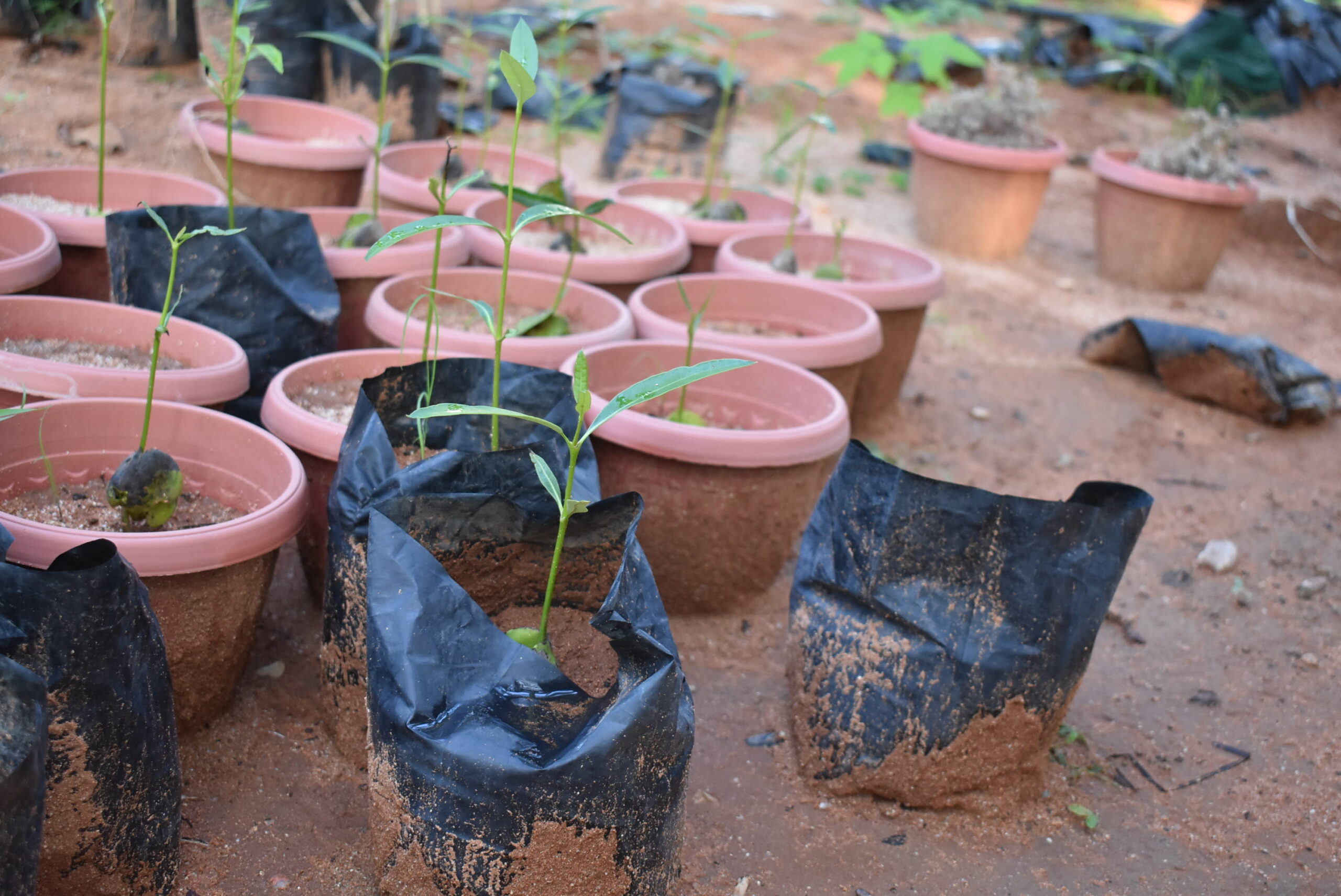
Socotra’s unique biodiversity and ecosystems face a number of threats, most notably the degradation of frankincense (Boswellia elongata) and mangrove (Avicenna Marina) habitats due to climate change issue and overgrazing activities. Over the years, a significant decline in the number of frankincense and mangrove trees has been observed in their natural habitats within the Homhil Nature Reserve in the east of the island, and the Shu’ab and Neet Nature Reserves in western part of Socotra.
Following five tropical cyclones that struck Socotra between 2015 and 2018, the frankincense and mangrove habitats deteriorated considerably, resulting in a sharp decrease in the growth of new seedling.
Commitment to Ecological Restoration
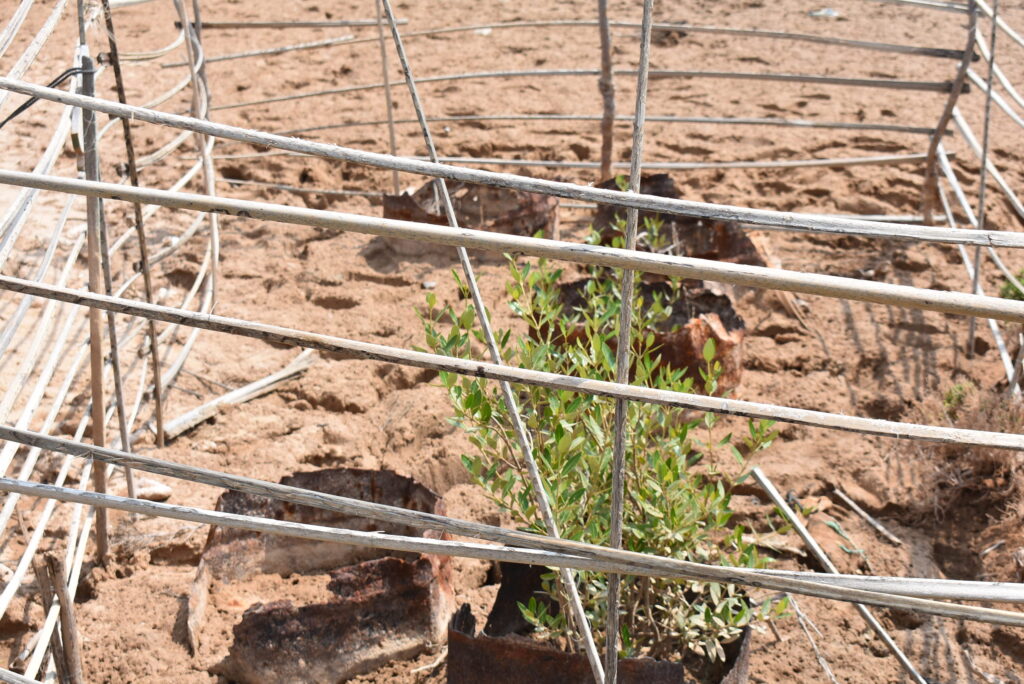
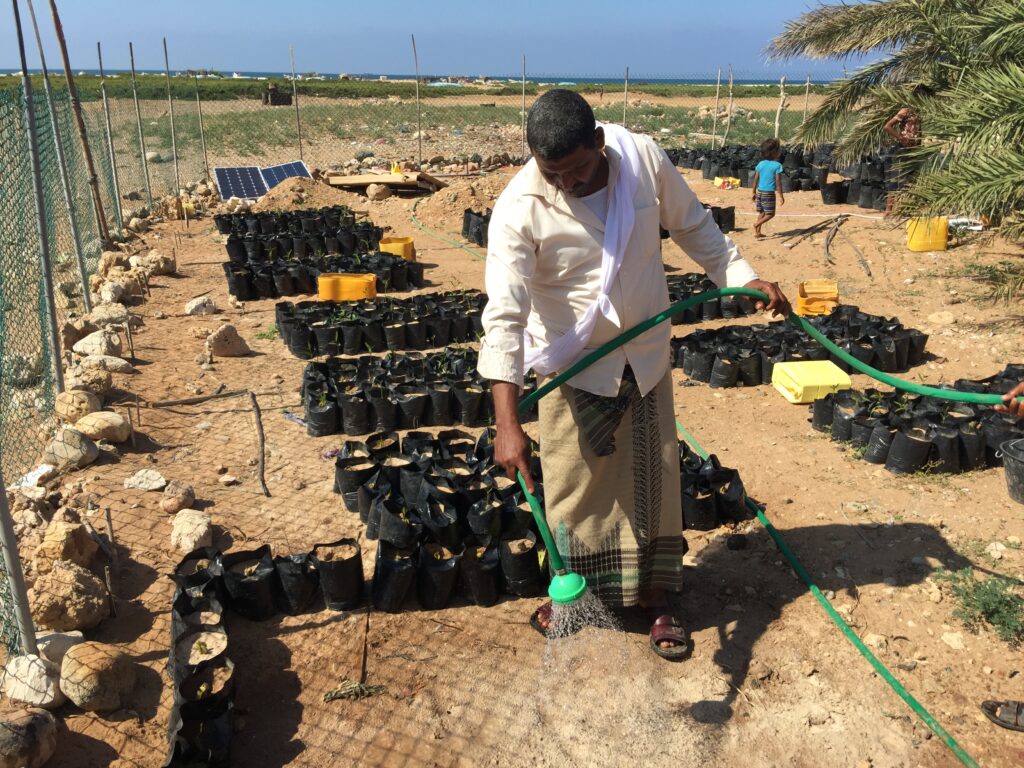
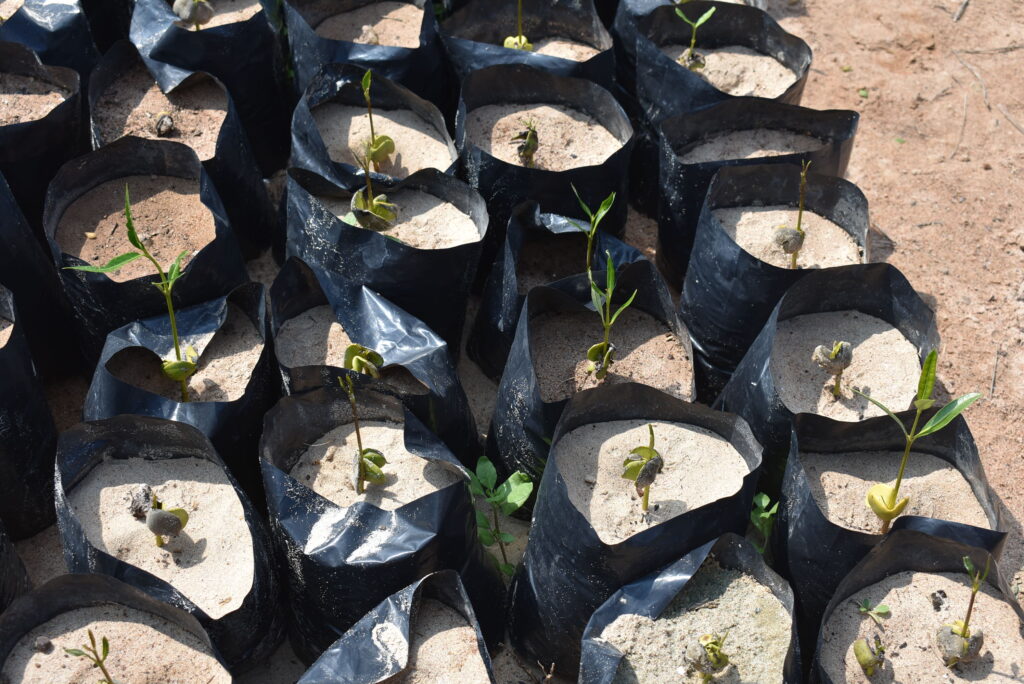
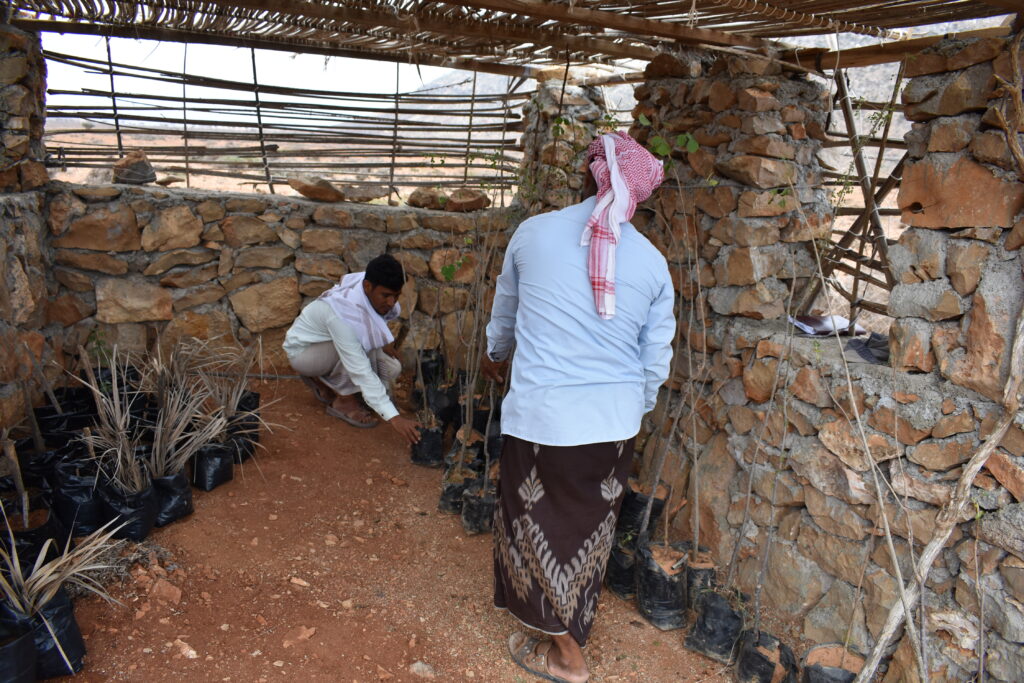
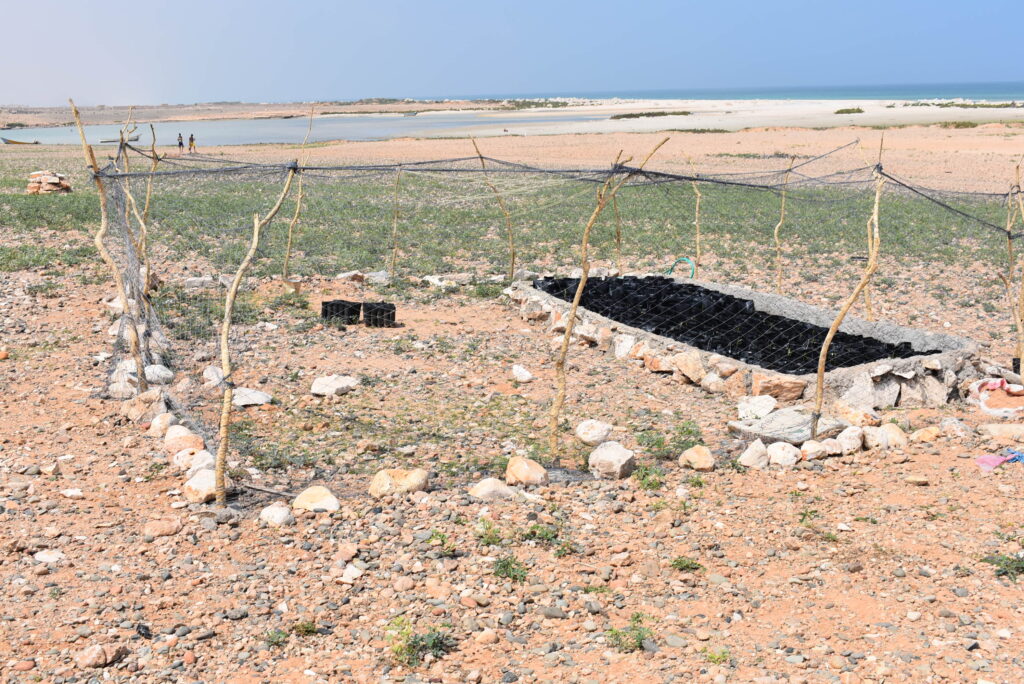
As part of its commitment to ecological restoration, Discover Socotra has contributed to a long-term initiative aimed at rehabilitating two of the island’s most threatened habitats: the Homhill frankincense (Boswellia elongata) forest and the Dehamed mangrove forest. Working in collaboration with local conservation groups and community members, the project established and supported nurseries dedicated to propagating frankincense trees and mangrove seedlings, ensuring a sustainable supply of healthy young plants for reforestation efforts.
Building Local Capacity Long-Term Preservation
This approach not only aids in the recovery of these ecologically and culturally significant ecosystems—vital for biodiversity, climate resilience, and traditional livelihoods—but also builds local capacity through training in nursery management, planting techniques, and habitat monitoring. By combining ecological science with community engagement, Discover Socotra has helped lay the groundwork for the long-term preservation and regeneration of these unique Socotri landscape
Comments +
Comments